
Find the Right Program for Your Health Condition
Explore RAKO's programs designed to help you overcome chronic health conditions naturally
A
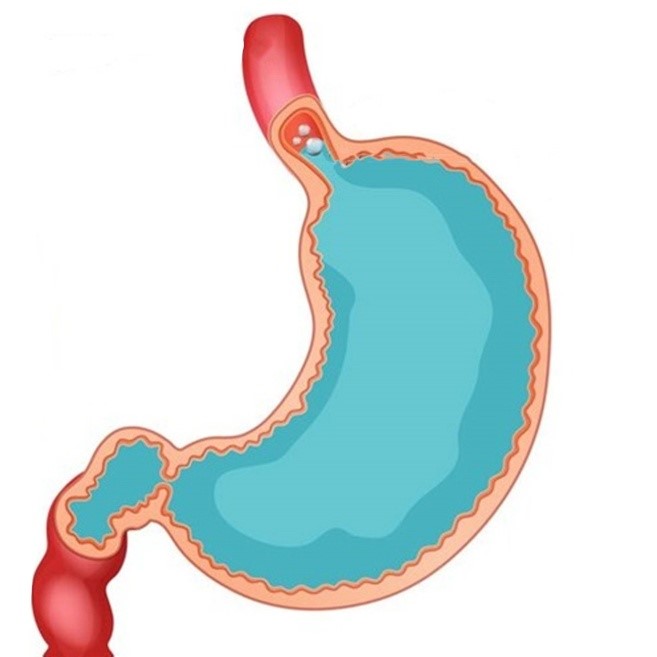
Acid Reflux
Acid reflux occurs when stomach acid flows back into the esophagus, causing heartburn and other symptoms such as regurgitation and discomfort. If acid reflux becomes frequent, it can develop into Gastroesophageal Reflux Disease (GERD), a more serious and chronic condition.

Acne
Acne is a chronic skin condition caused by inflammation of the hair follicles and sebaceous glands. It results from increased oil production, changes in skin cells, and bacterial growth, particularly Propionibacterium acnes.

Alzheimer's Disease
Alzheimer’s disease (AD) is a progressive brain disorder that leads to severe memory loss, confusion, and behavioral changes, profoundly affecting daily life. It causes gradual brain cell deterioration and cognitive decline. The development of AD is influenced by a combination of genetic, environmental, and lifestyle factors.

Atopic Dermatitis
Atopic dermatitis (eczema) is a chronic inflammatory skin condition that leads to persistent itching and discomfort. At RAKO Health, we offer personalized and effective solutions to manage and alleviate eczema symptoms, helping you achieve clearer, healthier skin. Don’t let eczema hold you back any longer.

Autism Nutrition
A healthy intestinal barrier is crucial for preventing toxins, harmful microorganisms (bacteria and viruses), and undigested food particles from entering the bloodstream. However, factors like poor diet, excessive alcohol consumption, stress and certain medications can damage this barrier, leading to increased intestinal permeability or “ leaky gut .â€
B.

D

Depression
Depression is a pervasive mental health condition characterized by persistent sadness, a loss of interest in activities, and a range of physical and emotional symptoms. These can include fatigue, changes in appetite, difficulty sleeping, and feelings of hopelessness. Depression often arises from a combination of genetic, biological, environmental, nutritional, hormonal, and psychological factors.

Dysbiosis
Dysbiosis is an imbalance in the microbial community of the gut, where harmful bacteria or yeast outnumber beneficial microorganisms. This imbalance can disrupt digestion, impair nutrient absorption, and lead to a range of symptoms, including bloating, gas, and irregular bowel movements.

F
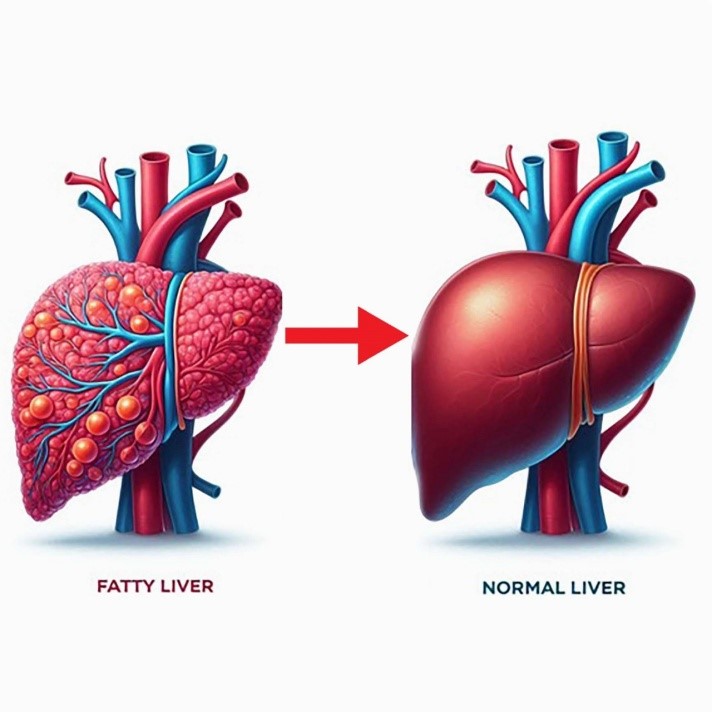
Fatty Liver
Fatty liver disease occurs due to the accumulation of excess fat in the liver. Major risk factors include obesity, type 2 diabetes, PMOS, hypothyroidism, insulin resistance, high cholesterol, increased triglycerides, excessive alcohol consumption, poor diet, lack of physical activity, and certain medications.

Food Allergies
Food allergy is not just about the food—it is about how your body reacts to it. Food allergy occurs when your immune system mistakenly identifies certain proteins in food as harmful. Food allergy symptoms can vary widely, from common signs like itching and hives to more severe reactions such as swelling, difficulty breathing, and gastrointestinal distress.

Food Intolerance
Food intolerances involve non-immunological gastrointestinal reactions and occur when your body does not digest certain foods adequately.
H

Hashimoto Thyroiditis
Hashimoto’s thyroiditis is an autoimmune condition where the immune system attacks the thyroid gland, causing chronic inflammation and hypothyroidism. This leads to a decrease in the production of thyroid hormone, causing symptoms like weight gain, fatigue, cold intolerance, and hair loss .

High Cholesterol
High cholesterol is a common yet serious condition where there is excess amount of cholesterol, a fatty substance, present in the blood. This excess cholesterol can lead to plaque buildup in the arteries, increasing the risk for heart disease, stroke, and other cardiovascular issues.
High Triglycerides
High triglycerides are a common metabolic concern that can increase cardiovascular risk and are often associated with excess body weight, poor dietary habits, insulin resistance, and other underlying health factors.

Hormonal Imbalances
Hormonal imbalances occur when the levels of hormones in your body become too high or too low, impacting essential physiological functions. Hormones are crucial chemical messengers that regulate key processes such as metabolism, mood, reproduction, and stress responses. Disruptions in hormonal levels can lead to a variety of symptoms and health concerns.

Hypertension
Hypertension, or high blood pressure, is a chronic condition where the force of blood against the artery walls is consistently too high. It can lead to serious health issues such as heart diseases, stroke, kidney diseases, and vision loss, if not managed properly.
I
Insulin Resistance
Insulin resistance is a condition where the body’s cells become less responsive to insulin, thereby causing the production of higher concentrations of insulin (hyperinsulinemia) for a normal response to glucose.
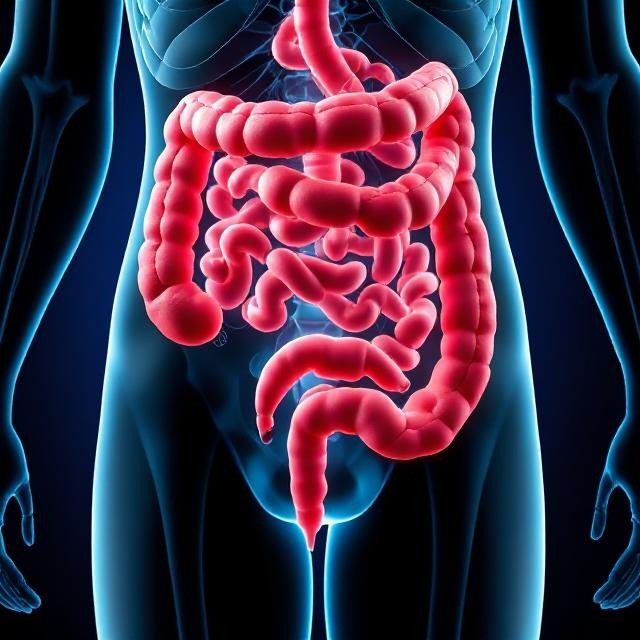
Irritable Bowel Syndrome (IBS)
Irritable Bowel Syndrome (IBS) is a common digestive disorder affecting millions of people worldwide.
J.
K.
L

Lactose Intolerance
Lactose is a milk sugar and its digestion requires a specialized enzyme called lactase. People with lactase deficiency cannot digest lactose properly and absorbed in an undigested form, leading to a range of uncomfortable Lactose Intolerance symptoms.
Leaky Gut
A healthy intestinal barrier is crucial for preventing toxins, harmful microorganisms (bacteria and viruses), and undigested food particles from entering the bloodstream. However, factors like poor diet, excessive alcohol consumption, stress and certain medications can damage this barrier, leading to increased intestinal permeability or “ leaky gut .â€
Longevity Plus
Aging is a natural and gradual process, leading to a decline in the function of our cells, tissues, and organs. This can increase the risk of various age-related diseases, including cardiovascular, metabolic, neurodegenerative, immune system, endocrine, and musculoskeletal disorders.
M

Metabolic Syndrome
Metabolic syndrome (MetS) is defined by a cluster of several connected metabolic abnormalities that include hypertension, abdominal obesity, insulin resistance, and atherogenic dyslipidemia.

Migraine
Migraine is a neurovascular disease often associated with symptoms of intense pain, nausea, vomiting, and sensitivity to light and sound. Hormonal changes, certain foods, stress, lack of sleep, various psychological and environmental factors can trigger migraines.

P

PCOD / PMOS
Polycystic ovary disorder (PCOD)/Polycystic ovary syndrome (PMOS) disrupts the balance of reproductive hormones and is linked with insulin resistance. This condition can lead to a range of symptoms such as irregular periods, weight gain, acne, and excess hair growth. Additionally, PCOD/PMOS increases the risk of developing chronic health conditions such as diabetes and heart disease.
Pre-diabetes
Prediabetes is a condition where blood glucose levels are increased but not high enough to reach the criteria for type 2 diabetes. People with prediabetes have significantly increased risk for developing heart disease, kidney disease, and early mortality, even if diabetes does not develop.

Psoriasis
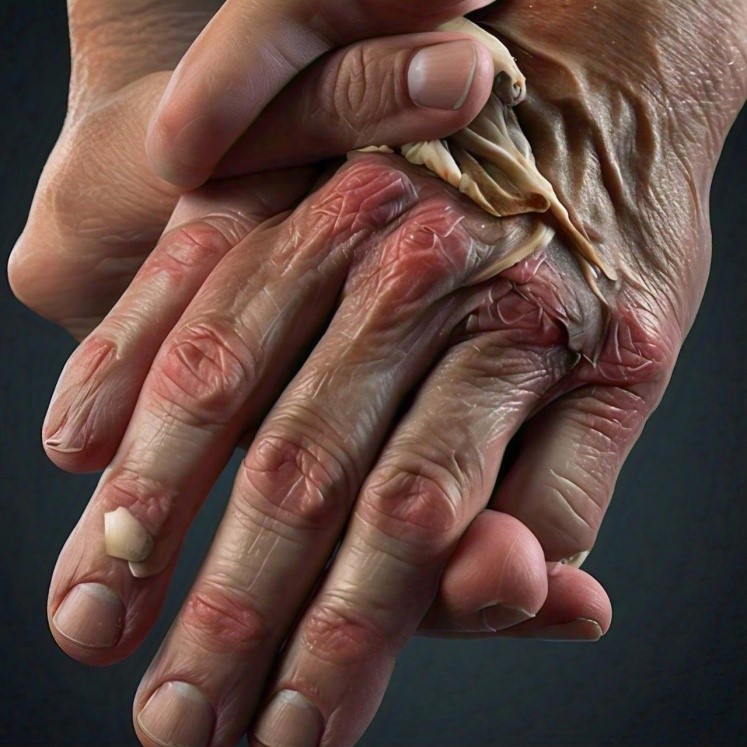
Psoriasis is an auto-inflammatory condition that results from the disruption of both the innate and adaptive immune systems. Inflammation plays a key role in the disease, driving excessive cell growth and the formation of new blood vessels. This results in the characteristic skin lesions and can also lead to the joint symptoms associated with psoriatic arthritis.
Q.
S

SIBO
Small Intestinal Bacterial Overgrowth (SIBO) is a condition characterized by an excess and imbalance of bacteria in the small intestine, leading to maldigestion, malabsorption, and discomfort.

Sports Nutrition
Want to boost your athletic performance? RAKO Health provides specialized sports nutrition plans designed to optimize your energy, endurance, and recovery. Our personalized approach includes targeted nutrition strategies to help you achieve your peak performance.
T

Thyroid Issues
Thyroid problems can significantly affect your energy and metabolism. Hypothyroidism (low hormone production), hyperthyroidism (excess hormone production) and Hashimoto’s thyroiditis are common thyroid disorders.

Type-2 Diabetes Reversal
RAKO's science-based, PhD expert- and doctor-led programs help you manage and reverse Type - 2 Diabetes naturally and safely.
V.

X.
Y.
Z.
Get Started
Use the service pages to compare options, then book a consultation so the right plan can be matched to your symptoms, goals, and health history.